
FAQ
Common Questions About Men's Nutrition and Health
What is male nutrition?
Male nutrition focuses on optimizing dietary intake to support men's unique health needs, including muscle development, energy levels, and long-term wellness. Proper nutrition helps prevent chronic diseases, improves athletic performance, and supports mental clarity. Understanding macronutrients and micronutrients tailored to male physiology ensures sustainable health benefits and vitality throughout life.
Why is nutrition important for men?
Good nutrition is the foundation of men's health, affecting everything from cardiovascular function to hormone balance. Men often face specific health challenges including heart disease and metabolic issues. A balanced diet strengthens immunity, supports muscle recovery, boosts energy, and improves overall quality of life. Proper eating habits established early prevent future health complications.
What are the key nutritional components men should focus on?
Men require adequate protein for muscle maintenance and growth, healthy fats for hormone production, complex carbohydrates for sustained energy, and essential vitamins and minerals for immune function. Calcium and vitamin D support bone health, zinc aids testosterone production, and omega-3 fatty acids protect heart health. Individual needs vary based on age, activity level, and personal health goals.
How much protein do men need daily?
Daily protein intake depends on activity level and fitness goals. Sedentary men need approximately 0.8 grams per kilogram of body weight, while active and athletic men require 1.2 to 2.0 grams per kilogram. Quality protein sources include lean meats, fish, eggs, dairy, legumes, and nuts. Distributing protein throughout the day supports muscle recovery and maintains metabolic health.
What foods boost testosterone naturally?
Natural testosterone-boosting foods include oysters, beef, fatty fish, eggs, and nuts rich in zinc and vitamin D. Cruciferous vegetables like broccoli support hormone metabolism, while berries provide antioxidants. Garlic and ginger have anti-inflammatory properties. Regular strength training combined with proper nutrition maximizes testosterone levels and supports hormonal balance naturally.
How important is hydration for men?
Proper hydration is essential for physical performance, cognitive function, and metabolic health. Men should drink adequate water daily, adjusting intake based on activity level and climate. Dehydration reduces athletic performance, mental focus, and energy levels. While exact needs vary individually, the standard recommendation is at least eight glasses daily, more for active men.
Find detailed answers to your nutrition questions here

What are healthy meal prep ideas?
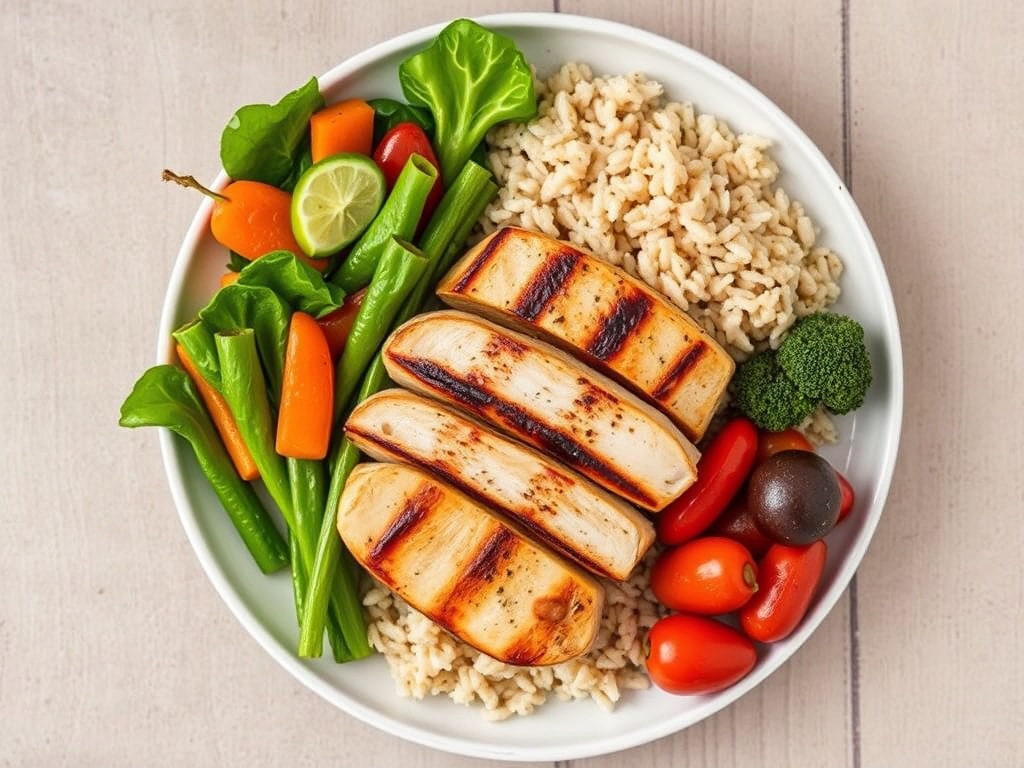
Meal prepping saves time and ensures balanced nutrition throughout the week. Prepare lean proteins like grilled chicken or fish, portion complex carbohydrates such as brown rice and sweet potatoes, and include colorful vegetables. Store meals in containers for grab-and-go convenience. Batch cooking on weekends supports consistent healthy eating and prevents reliance on processed fast food.
How can men improve digestive health?
Digestive health improves with adequate fiber from whole grains, vegetables, and fruits. Stay hydrated, eat slowly, and avoid excessive processed foods. Include fermented foods like yogurt and kefir containing beneficial probiotics. Regular physical activity supports digestion. Limiting alcohol and managing stress positively impact gut health. A healthy digestive system enhances nutrient absorption and overall wellness.
What supplements should men consider taking?
While whole foods are ideal, some men benefit from supplements like multivitamins, vitamin D, omega-3 fatty acids, and magnesium. Athletes might consider creatine or protein powder. Consult a healthcare provider before starting supplements to ensure they complement your diet and health goals. Quality supplements from reputable brands support nutritional gaps and optimize performance safely.
How does nutrition affect athletic performance?
Nutrition directly impacts strength, endurance, recovery, and injury prevention in athletes. Adequate carbohydrates fuel high-intensity training, protein supports muscle repair, and healthy fats reduce inflammation. Timing matters—consuming balanced meals before and after workouts optimizes performance. Proper hydration and electrolyte balance maintain endurance. Strategic nutrition planning enhances athletic potential and competitive success.
What are the best foods for heart health?
Heart-healthy foods include fatty fish rich in omega-3s, olive oil, nuts, whole grains, and vegetables. Limit saturated fats, trans fats, and sodium to reduce cardiovascular disease risk. Berries, dark chocolate in moderation, and legumes provide antioxidants and fiber. Combining these foods with regular exercise and stress management significantly reduces heart disease risk and improves longevity.
How to manage weight through nutrition?
Successful weight management requires balanced calorie intake, whole food choices, and consistent physical activity. Focus on lean proteins, whole grains, and vegetables that keep you full longer. Avoid sugary drinks and excessive processed foods. Track portions carefully without extreme restriction. Slow, sustainable progress is more achievable than rapid changes. Consult nutritionists for personalized guidance.

Receive a personalized nutrition assessment
Our certified nutritionists offer 15+ years of expertise